

Managing a Difficult Situation Within Your Team When Expectations Aren’t Aligned
Managing a difficult situation within your team isn’t always about conflict, misconduct, or obvious performance issues.
Sometimes it’s more subtle than that.
You’ve set the same expectations, deadlines, and quality standards for everyone, yet people approach their work in very different ways. Some take pride and ownership in their work. Others meet the basics but don’t go beyond. A few need more direction or reassurance. And you’re left holding the tension of trying to be fair, consistent, and supportive all at once.
This is one of the most common and emotionally draining situations leaders face, and it often goes unnamed.
When Expectations Are Clear, But Behaviour Isn’t Consistent
On paper, expectations are aligned.
The role is clear.
The outcomes are defined.
The standards have been communicated.
And yet, in practice, the experience of managing the team feels uneven.
This is where many leaders start to doubt themselves.
Am I being too demanding?
Am I expecting too much?
Or am I letting things slide to avoid discomfort?
Managing a difficult situation within your team often begins with recognising that clarity alone doesn’t guarantee alignment.
What’s Really Sitting Underneath This Situation
When leaders talk about this challenge, it’s often described as “different standards” or “different work ethics”.
That language rarely helps.
What’s actually at play is a mix of factors that can look similar on the surface but require very different leadership responses.
These include:
Different personal standards of work
How much effort, care, pride, and ownership someone applies before being promptedDifferences in experience or confidence
People may want to meet expectations but lack the knowledge, training, or reassurance to do soSupport and adjustment needs
Neurodiversity, additional support needs, health considerations, or different ways of working effectivelyContext and background
Past workplaces, generational experiences, and what people have learned is “expected” of them
When these are all grouped together as “effort issues”, leaders miss the opportunity to respond well.
Why This Is Such a Difficult Situation to Manage Within a Team
This situation is difficult because it sits in a grey area.
There’s no clear misconduct.
No single “problem person”.
No policy breach to lean on.
Instead, you’re navigating ambiguity.
You may feel frustration building, but hesitate to act because you don’t want to be unfair. Or you sense resentment from others who feel they are carrying more. Or you notice yourself stepping in to compensate, quietly taking on more than you should.
Managing a difficult situation within your team often means tolerating discomfort long before you feel ready to address it.
That doesn’t mean you’re avoiding leadership. It means you’re aware of the human impact of how you lead.
A Helpful Reframe for Leaders
One of the most useful shifts leaders can make here is this:
The role of the leader is not to assume intent, but to create alignment.
People don’t all interpret expectations in the same way. When expectations remain implicit, individuals default to what feels reasonable to them.
Research into group behaviour shows that effort and ownership are strongly influenced by visibility and clarity. When people aren’t clear on what is expected, or how their contribution is seen, effort can vary without anyone consciously deciding to “care less”.
This places responsibility back where it belongs, not in blame, but in leadership practice.
Diagnosing Before Responding
Before jumping to conclusions about motivation or attitude, pause and ask yourself:
Is this a lack of clarity about what good looks like?
Is there a skills or experience gap here?
Is additional training or support needed?
Are reasonable adjustments required to support this person’s best work?
Have I been explicit about ownership, accountability and timescales?
Managing a difficult situation within your team becomes far more manageable when you slow down long enough to understand what you’re actually dealing with.
The Role of Difficult Conversations and Feedback
This is often the point leaders avoid.
Not because they don’t care, but because they care deeply.
However, unspoken frustration doesn’t disappear. It leaks into tone, decisions, and relationships.
Feedback, when used well, is not about correction. It’s about alignment.
Clear feedback:
Makes expectations explicit
Focuses on behaviours and impact
Separates effort from identity
Invites conversation rather than defensiveness
If expectations aren’t aligned, silence rarely helps. Respectful, well-timed conversations do.
Supporting Without Lowering the Bar
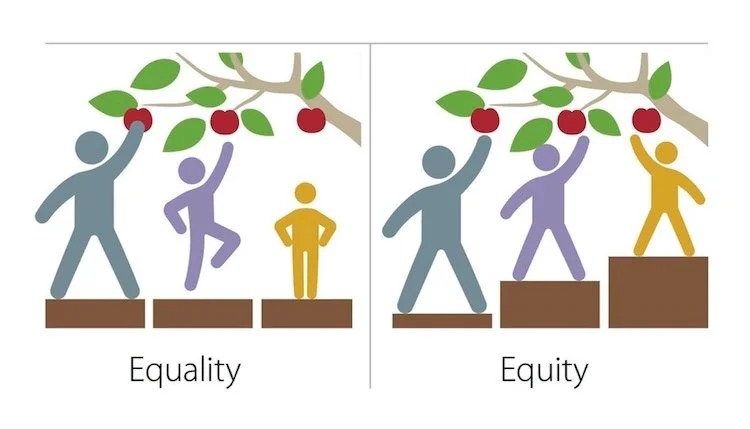
Image from dramatics.org
A common fear for leaders is that adapting their approach means lowering standards.
It doesn’t.
You can hold the same outcomes while offering different levels of support. Equity in leadership is not about sameness. It’s about providing people with what they need to succeed in their role.
This might mean:
Coaching one person more closely
Providing additional structure or checkpoints
Offering training or development opportunities
Making adjustments that enable someone to work at their best
Managing a difficult situation within your team often requires this balance of compassion and accountability.
A Final Thought
If you’re finding this situation hard, that doesn’t mean you’re failing as a leader.
It means you’re operating in the reality of leadership, not the theory.
Managing a difficult situation within your team when expectations aren’t aligned requires courage, curiosity, and clarity. It asks you to resist easy labels and instead engage with the human complexity of work.
That is not weak leadership.
It is thoughtful, responsible, and deeply skilled leadership.
