


Own Your Leadership Blog: Stories and Real Talk for Leaders











Browse the Blog:
People Pleasing in Leadership: When Protecting the Relationship Creates a Bigger Problem
People pleasing in leadership is not necessarily a weakness. Caring about relationships, how your words land and how others feel can be genuine strengths. The difficulty comes when the need for approval starts influencing decisions, delaying necessary conversations or making clarity harder. This blog explores how thoughtful leaders can care deeply about people without letting that care get in the way of leading well.
Managing a Difficult Situation Within Your Team When Expectations Aren’t Aligned
Managing a difficult situation within your team isn’t always about conflict or poor performance. Sometimes it’s about misaligned expectations, differing levels of effort, and unspoken assumptions about what “good work” looks like. This blog explores how leaders can navigate these grey areas with clarity, compassion, and confidence, without lowering standards or avoiding difficult conversations.
Why Leadership Training Matters: A Human, Responsible Approach to Professional Development
Leadership training is more than a workshop - it’s an ongoing journey. Leaders who receive structured development gain clarity, confidence, and the skills to thrive while creating high-performing, resilient teams.
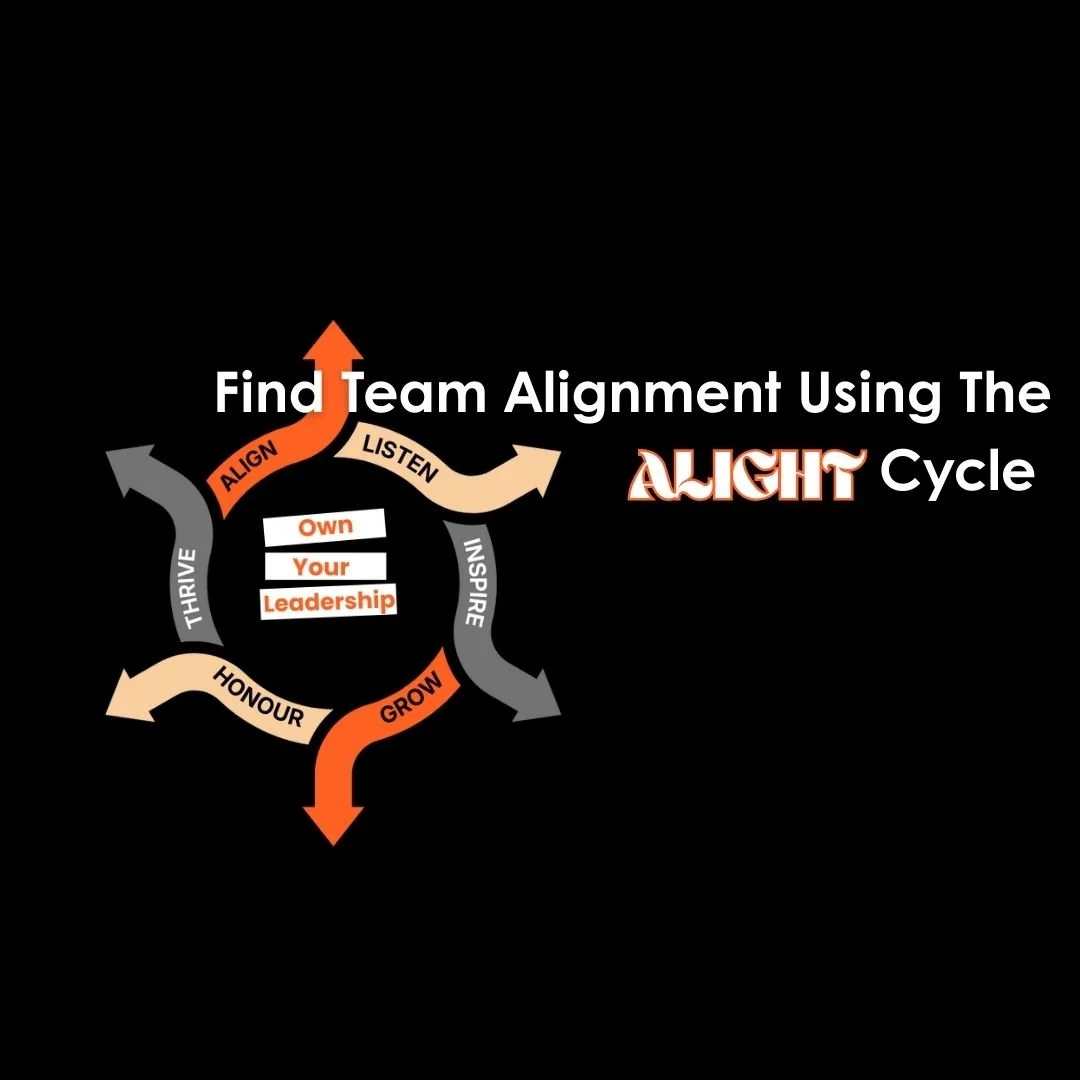
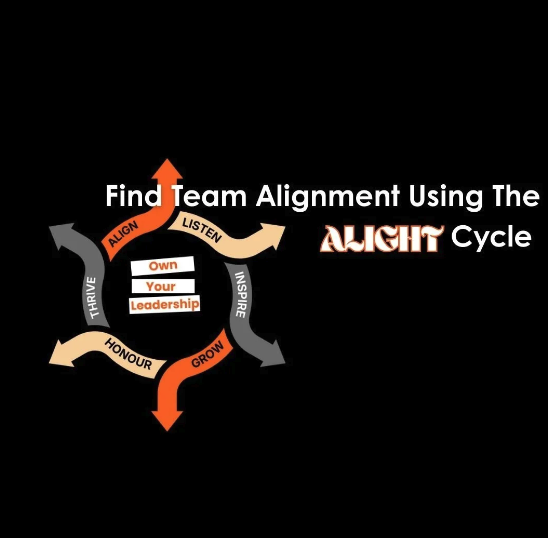
Find Team Alignment Using The ALIGHT Cycle
Discover the ALIGHT Cycle for team alignment - a practical, research-backed guide to keep your team focused, motivated, and thriving.

Why Great Leaders Flex Their Leadership Styles
When I first stepped into a formal leadership role, I thought asking questions was a way to connect. Standing awkwardly at the photocopier, I asked a colleague about recent assessment changes – only to have her think I was being judgemental. That moment taught me a powerful lesson: effective leadership isn’t just about curiosity or authority – it’s about flexing your leadership style to match the situation and the person.
Goleman’s six leadership styles show us that the right approach depends on trust, context, and connection. Sometimes we lead with coaching, sometimes with vision, and sometimes with an affiliative style to build rapport first. Knowing when and how to switch is what makes leadership truly effective.

Leading with Empathy Without Losing Authority
Leading with empathy doesn’t make you weak – it makes you effective. In this blog, Sharon explores how to combine empathy with authority to create trust, clarity, and sustainable impact in your leadership.
