


Own Your Leadership Blog: Stories and Real Talk for Leaders




Browse the Blog:
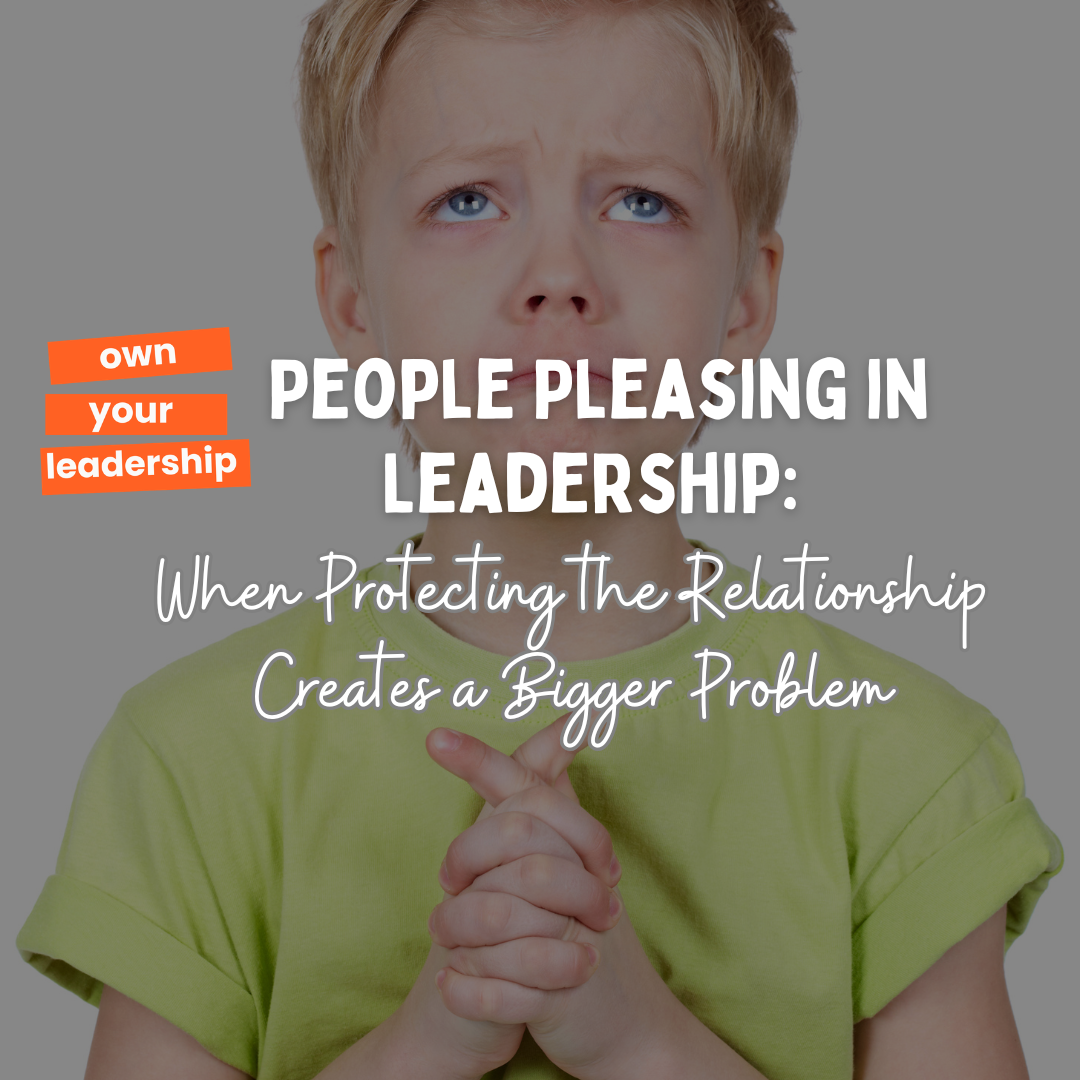
People Pleasing in Leadership: When Protecting the Relationship Creates a Bigger Problem
People pleasing in leadership is not necessarily a weakness. Caring about relationships, how your words land and how others feel can be genuine strengths. The difficulty comes when the need for approval starts influencing decisions, delaying necessary conversations or making clarity harder. This blog explores how thoughtful leaders can care deeply about people without letting that care get in the way of leading well.
How to Think Strategically as a Leader (when you were never taught how)
Many capable leaders aren’t lacking strategy; they’re just too close to the work. This article explores why strategic thinking feels out of reach and how to create the distance needed to lead more intentionally.
Imposter Syndrome in Leadership: Why it Shows Up and Why it Matters
Imposter syndrome in leadership can show up even when you are capable, experienced and trusted. It often appears as overthinking, hesitation, over-preparing or searching for certainty before you act. This blog explores why imposter syndrome in leadership happens, how it affects clarity and decision-making, and why recognising the pattern is only the first step.
Authority v Leadership: The Difference That Shapes Your Team
Authority gives you the role, but leadership is what your team experiences. This blog explores the difference between authority and leadership, and why trust is what truly drives engagement and followship.
Why Your Team Is Not Performing and What to Do About It
If your team is not performing, it may not be a people problem. It is often a signal of what is unclear, avoided, or inconsistent in your leadership. In this blog, explore the patterns that shape team performance and the shifts that start with you.
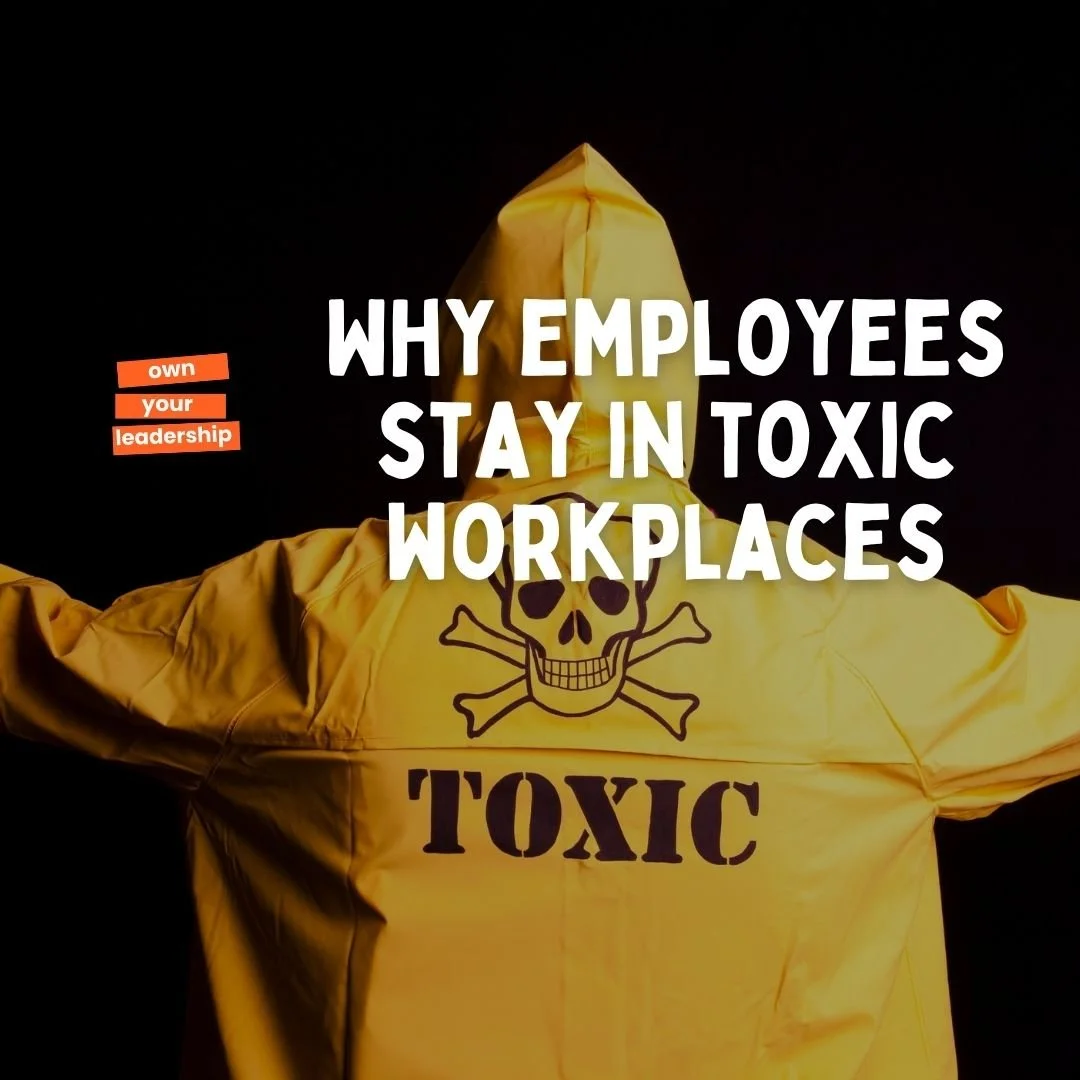
Why Employees Stay in Toxic Workplaces Despite It All
Why do capable and committed employees remain in toxic workplaces? This article explores the psychological dynamics that make unhealthy cultures hard to leave, the subtle leadership behaviours that allow them to develop, and how leaders can create environments where people feel safe to speak honestly and challenge the status quo.
