

What is Self-Leadership? A Practical Guide for Overwhelmed Leaders
If leadership feels hard right now, you’re not alone.
When you are carrying pressure from above, responsibility for others, difficult decisions, and a workload that never seems to shrink, it is easy to slip into survival mode. You keep everything moving, hold everything together, and tell yourself you will sort yourself out later.
But that is exactly where self-leadership matters most.
In this episode of The Leadership and Management Reset Podcast, I explore what is self-leadership, why it matters so much when you feel overwhelmed, and what practical steps can help you lead with more clarity, steadiness, and intention.
In this episode, you’ll discover:
What self-leadership really means in practice
Why leadership can feel so overwhelming
How stress shows up in your body before you fully acknowledge it
Why self-regulation is essential before making decisions or responding to pressure
How values misalignment can quietly drain your energy
Why boundaries are not optional if you want to lead sustainably
How to stop taking on what is not yours to hold
Simple ways to manage your time and protect your calendar
How tools like SWOT and DAKI can help you lead more intentionally
Why self leadership is a daily practice, not a one-off fix
More of an audio listener? Listen to this podcast episode instead.
What is self-leadership?
Self-leadership is the practice of leading yourself before trying to lead everyone else.
It means paying attention to your thoughts, your energy, your behaviour, and your choices. It means noticing when you are overwhelmed rather than pretending you are fine. It means responding intentionally instead of reacting automatically.
Self-leadership is not about becoming perfect, calm, or endlessly productive.
It is about building enough self-awareness to notice what is happening within you, and enough agency to choose what happens next. It’s about taking care of yourself as a leader.
When you develop self-leadership, you stop drifting under pressure and start leading with more purpose.
Why overwhelmed leaders struggle to self-lead
Many leaders are carrying far more than people realise.
You may be dealing with pressure from senior leaders, people issues within your team, organisational change, under-resourcing, and the emotional weight of decisions that affect other people. On top of that, many leaders fall into the habit of taking even more on in an effort to keep things running smoothly.
That can look responsible on the surface.
In reality, it often creates exhaustion, resentment, blurred boundaries, and poor decision-making.
If you are constantly holding everything together, you are likely carrying too much that was never yours to hold in the first place.
Self-leadership starts with self-awareness
One of the first signs that something is off is often physical rather than intellectual.
Your body usually notices before your mind catches up.
Stress can show up as headaches, tight shoulders, poor sleep, stomach issues, irritability, a short temper, or that constant sense that your nervous system is never fully settled. Yet many leaders ignore these signals, even though they would never ignore warning signs in a report, a budget, or a business dashboard.
Self-leadership asks you to pay attention.
Not dramatically. Not indulgently.
Just honestly.
What is your body telling you right now?
What has it been trying to tell you for weeks?
Self-regulation is a leadership skill
If you want to know what self-leadership is in real life, this is part of the answer: learning to regulate yourself before you respond.
When you are dysregulated, everything becomes harder. Conversations feel sharper. Decisions become more reactive. Frustration leaks into your tone. Patience disappears. Culture is shaped not just by your intentions, but by how you show up when pressure is high.
That is why self-regulation matters.
Sometimes that means taking five minutes to breathe properly before a meeting. Sometimes it means getting outside, interrupting the stress pattern, or giving yourself enough pause to stop reacting from overwhelm.
Calm is not weakness in leadership.
It is capacity.
Your values matter more than you think
Another part of self-leadership is knowing what matters to you and noticing when your actions are out of step with it.
If fairness matters to you, but you are making decisions that do not feel fair, that will affect you.
If integrity matters to you, but you feel forced into choices that do not sit right, that tension will build.
You might not always be able to control the full situation around you, but you can become much more aware of what is creating internal friction. Often, part of overwhelm is not just workload. It is misalignment.
The more clearly you know your values, the more clearly you can lead.
Boundaries are a core part of self-leadership
You cannot answer the question of what is self-leadership without talking about boundaries.
Leaders who feel overwhelmed are often the same leaders who say yes too often, step in too quickly, or absorb problems that should be worked through by other people.
That is not always kindness.
Sometimes it is over-functioning.
Sometimes it is discomfort with letting others struggle.
Sometimes it is a habit of rescuing.
Healthy boundaries help you lead better. They also help your team grow. When you stop taking on everything, other people have more space to take responsibility, solve problems, and build confidence.
Being boundaried does not mean being cold. It means being clear.
Stop carrying what is not yours to hold
One of the most useful questions a leader can ask is this:
Is this mine to hold?
Yes, leadership comes with responsibility. But not everything belongs with you.
Some things are yours to decide. Some are yours to influence. Some are yours to support. And some need to stay with the person whose role it actually is.
This is where tools like the circle of control can be so helpful. They help you separate what you can control, what you can influence, and what you need to stop gripping so tightly.
Because when you carry everything, you do not become a better leader.
You just become a more exhausted one.
Protect your calendar and lead your time properly
A practical form of self-leadership is managing your time with far more intention.
If your calendar is full of empty white space, other people will assume you are available. Meetings will expand. Requests will multiply. Strategic work will get squeezed out.
Your calendar should reflect the reality of your role.
That means blocking time for preparation, focused work, reflection, and recovery between meetings. It means letting people know when you are available and when you are not. It means being deliberate instead of leaving your week open to the loudest demand.
Time protection is not selfish.
It is part of sustainable leadership.
Lead more intentionally with SWOT and DAKI
If you are wondering what is self leadership beyond mindset, this is where practical tools come in.
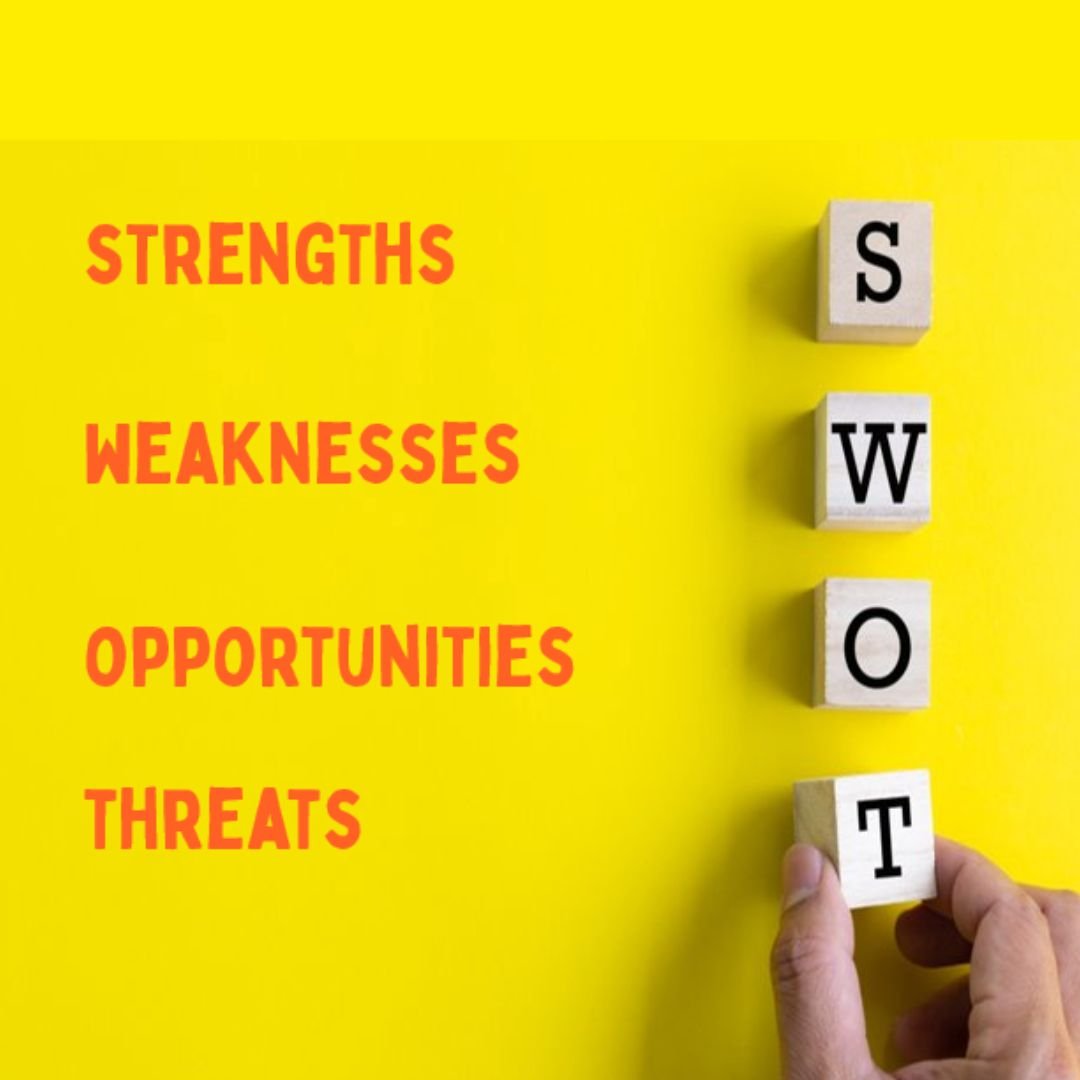
A personal SWOT can help you assess your current leadership honestly:
Strengths
What do you do well as a leader?
Weaknesses
Where do you overreach, avoid, or hold too tightly?
Opportunities
What could you strengthen, refine, or do differently?
Threats
What external pressures are affecting how you lead?
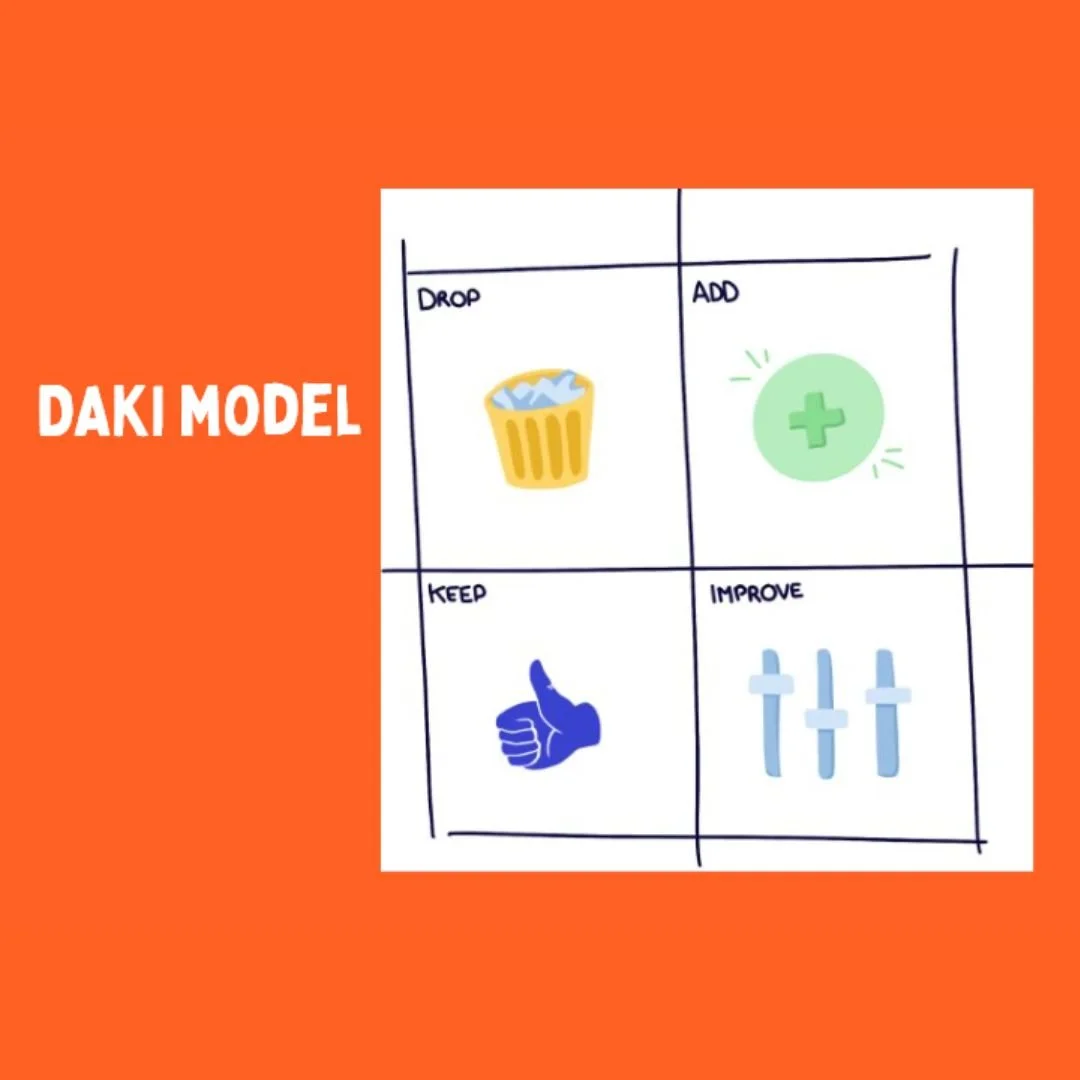
You can then use DAKI to make intentional changes:
Drop
What do you need to stop doing?
Add
What do you need to introduce?
Keep
What is already working well?
Improve
What needs refining rather than replacing?
These tools help you move from vague frustration to clear action.
Self-leadership is a daily practice
Self-leadership is not something you do once when things get difficult.
It is a daily practice.
It is the repeated choice to notice yourself, regulate yourself, align your choices, protect your energy, and lead with intention. It is the willingness to reflect rather than drift. It is the discipline to stop abandoning yourself while trying to support everyone else.
And it matters because when you do not lead yourself well, it becomes much harder to lead others well.
So perhaps the better question is not just what is self-leadership?
Perhaps the real question is this:
“What would it look like for me to lead myself well right now?”
A few questions to reflect on this week:
Where is overwhelm showing up for me right now?
What is my body trying to tell me?
What am I carrying that is not actually mine to hold?
Where do I need a clearer boundary?
What would more intentional leadership look like this week?
Want support to strengthen your self-leadership?
If this resonates with you, you are not alone. Many thoughtful, capable leaders are carrying too much and trying to lead well while running on empty.
Through leadership coaching and development, I support leaders to build confidence, clarity, boundaries, and sustainable leadership habits that actually work in real life.
If you are ready to lead yourself with more intention and less overwhelm, you can book a free call with me to explore how I can support you.
You can also explore more podcast episodes, blogs, and leadership resources across Own Your Leadership.
If you’d prefer to listen on your favourite podcast platform, use the podcast links below.
And if you’d rather read the original transcript, you can download it here.
